Quick Answer
Saw palmetto is probably the closest natural alternative to spironolactone for acne because both may help reduce androgen-related stimulation of the skin. However, saw palmetto shouldn't be considered a one-to-one replacement for prescription spironolactone or expected to improve acne as a stand-alone option.
At Natural Acne Clinic, we sometimes use saw palmetto as part of a personalized plan for clients whose acne appears strongly influenced by testosterone or dihydrotestosterone (DHT). But here's something important to understand: hormones are usually only one piece of the acne puzzle. Most people also need the right topical skincare routine, along with adjustments to other contributing factors such as diet, stress, supplements, medications, and pore-clogging ingredients.
Key Takeaways
- Spironolactone is a prescription blood pressure medication that's also commonly used off-label to treat hormonal acne, primarily in women.
- It helps acne by blocking the effects of androgen hormones that can increase oil production and contribute to clogged pores.
- Saw palmetto may have similar antiandrogen activity, particularly involving DHT, although scientific evidence supporting its use for acne is limited.
- Neither spironolactone nor saw palmetto addresses every factor involved in acne formation.
- Both spironolactone and saw palmetto are inappropriate for certain individuals, particularly during pregnancy or while trying to conceive, and should be used with professional guidance.
What Is Spironolactone, and Why Does It Help Acne?
You might be surprised to learn that spironolactone wasn’t originally developed as an acne treatment at all!
Spironolactone is a potassium-sparing diuretic, originally developed to treat conditions such as high blood pressure, heart failure, and fluid retention. Although it isn’t FDA-approved specifically for acne, dermatologists commonly prescribe it off-label for women experiencing persistent or hormonally influenced breakouts.
So, how does a blood pressure medication help clear acne?
In addition to affecting fluid and sodium balance, spironolactone blocks androgen receptors. Androgens include hormones such as testosterone and DHT, which can stimulate the sebaceous glands to produce more oil. For someone who’s already acne-prone, this additional hormonal stimulation can contribute to clogged pores, inflammation, and persistent breakouts.
Spironolactone generally isn’t prescribed for acne in men because of its broader antiandrogen effects. However, at Natural Acne Clinic, we frequently incorporate saw palmetto into comprehensive acne-clearing plans for our male clients when appropriate.
Does Spironolactone Require Blood Testing or Birth Control?
One thing that sometimes concerns women considering spironolactone is whether they’ll need blood testing, additional birth control, or ongoing medical monitoring.
Unlike isotretinoin, commonly known as Accutane, spironolactone doesn’t require participation in a mandatory pregnancy-prevention program. However, spironolactone should not be taken during pregnancy because its antiandrogen activity could affect fetal development. Reliable contraception is commonly recommended for anyone who could become pregnant while taking it.⁴
Your healthcare provider may also order bloodwork before or during treatment to evaluate kidney function and potassium levels. Because spironolactone causes the body to retain potassium, it can potentially lead to hyperkalemia, which means having excessively high potassium levels in the blood.
Routine ongoing potassium testing may not be necessary for every healthy young woman taking spironolactone for acne. However, monitoring becomes more important for people over 45, those with kidney or heart conditions, and anyone taking medications or supplements that can also increase potassium. Your prescribing provider should determine the appropriate testing schedule.
Some common side effects of spironolactone include:
- Increased urination
- Dizziness or low blood pressure
- Fatigue
- Headaches
- Breast tenderness
- Irregular menstrual cycles
- Elevated potassium
Healthcare providers often begin with a lower dose and gradually increase it if necessary, depending on how the person responds. Not everyone needs a high dose, and side effects may become more noticeable as the dosage increases.
Is Saw Palmetto a Natural Version of Spironolactone?
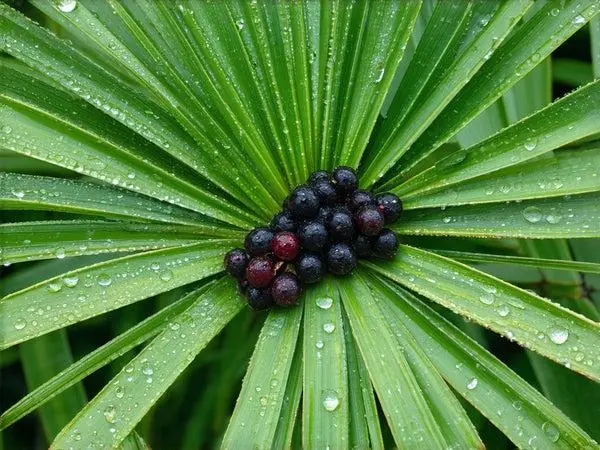
Not exactly! Saw palmetto isn’t a natural form of spironolactone, but it may be the closest botanical alternative based on how it influences androgen activity.
Here’s where the science gets interesting.
Laboratory research suggests that saw palmetto can inhibit an enzyme called 5-alpha-reductase, which is responsible for converting testosterone into the more potent androgen DHT. It may also reduce the binding of DHT to androgen receptors.⁵
Because DHT can contribute to increased oil production and other processes involved in acne, these effects provide a reasonable explanation for why saw palmetto might be beneficial for both men and women experiencing androgen-influenced breakouts.
At Natural Acne Clinic, we consider saw palmetto a potential tool for managing hormonal triggers, not a complete acne treatment or a proven prescription replacement. And as we’ll explain, whether it’s the right choice depends on much more than simply having hormonal acne.
What We See in Practice at Natural Acne Clinic
After more than a decade of working with thousands of acne clients, we've had plenty of opportunities to see how different approaches to hormonal acne actually work in practice.
We frequently work with clients who experienced some improvement while taking spironolactone but want to discontinue it because they're experiencing side effects, don't want to remain dependent on a prescription, or are preparing for pregnancy. We've also worked with many clients who took spironolactone without seeing any meaningful improvement in their acne at all.
So, is the answer simply to replace spironolactone with saw palmetto?
Not necessarily!
One of the biggest things we've learned over the years is that hormonal acne rarely comes down to just one contributing factor. When we review a client's health history, breakout patterns, menstrual cycle, medications, supplements, skincare routine, diet, stress, and photos, we often discover other factors that spironolactone wasn't addressing.
We may also find that a different hormone-supporting supplement would be more appropriate for that particular client.
However, when saw palmetto is indicated, we've seen some really wonderful improvements in stubborn, inflamed acne, especially breakouts concentrated along the chin, jawline, and neck. We've also seen encouraging results with hormonally influenced body acne.
What we've found most important is combining saw palmetto with a complete, personalized acne-clearing plan. Rather than simply trying to reduce the hormonal stimulation behind the breakouts, we're also working to address acne formation within the pore and the client's other individual triggers.
Saw palmetto may offer a gentler, more natural approach to managing androgen-related activity, but that doesn't mean it's appropriate for everyone. It's also important to remember that saw palmetto shouldn't be used during pregnancy or breastfeeding.
Why Hormone Support Alone May Not Clear Acne
This is probably one of the most important things to understand when considering an alternative to spironolactone.
Hormones can absolutely play a major role in acne. They can increase oil production, influence inflammation, and contribute to the conditions that allow breakouts to develop. However, acne actually begins with the formation of microscopic clogged pores called microcomedones.
In people who are genetically acne-prone, skin cells inside the pore don't always shed the way they should. Instead, excess skin cells can accumulate and combine with oil, creating tiny blockages beneath the skin's surface. Eventually, these can develop into blackheads, whiteheads, or inflamed acne lesions.
Think of hormonal activity as one of the things that can make this process worse.
Spironolactone may reduce some of that hormonal stimulation, while saw palmetto may help manage similar androgen-related activity in a gentler, more natural way. But neither one addresses every part of how acne develops.
For lasting improvement, a complete acne-clearing plan may also need to address:
- The formation of microcomedones
- Inflammation
- Pore-clogging ingredients
- Acne-triggering foods or supplements
- Stress
- Topical product strength, frequency, and consistency
This is also why we sometimes describe spironolactone as a bit of a Band-Aid for acne. It can be an effective management tool for some people, but it's primarily working to suppress one important pathway while the medication is being taken.
If someone stops taking spironolactone without addressing the underlying acne process or their other contributing triggers, that hormonal stimulation is no longer being suppressed, and their acne may return.
And even while taking spironolactone, some people still struggle to achieve completely clear skin because other contributing factors haven't been addressed.
In our experience, the best results come from looking beyond hormones and treating acne as the multifactorial condition that it is. That means working to control acne formation within the pore while also identifying and managing each client's individual triggers.
Common Misconceptions
There are a few misconceptions about spironolactone and natural alternatives that come up frequently, so let's clear them up!
Myth: Saw palmetto is exactly the same as spironolactone.
Reality: Saw palmetto isn't a one-to-one replacement for spironolactone, although both may help manage androgen-related hormonal activity. Saw palmetto is a botanical supplement that may influence the conversion of testosterone into DHT, while spironolactone is a prescription medication with several effects throughout the body. At Natural Acne Clinic, we've found that saw palmetto can be an extremely helpful addition to a personalized plan when androgen activity appears to be a significant acne trigger.
Myth: Natural supplements can't cause side effects.
Reality: Just because something is natural doesn't mean it can't affect your body! Any biologically active medication, herb, or supplement has the potential to cause side effects, and everyone responds a little differently. Saw palmetto is generally considered a gentler option than prescription spironolactone, which has several recognized side effects.
Myth: If spironolactone helped, saw palmetto will automatically keep my acne away.
Reality: We wish it were that simple! While spironolactone and saw palmetto may both help manage hormonal activity, that's only one piece of the acne puzzle. Your skincare regimen, formation of clogged pores, diet, stress, supplements, medications, and environmental triggers may all play a role in whether you achieve and maintain clear skin.
Myth: Hormonal acne is caused only by abnormal hormone levels.
Reality: You can have hormonally influenced acne even when your blood hormone levels are completely normal. In some people, the skin is simply more sensitive to normal levels or fluctuations of androgens. That's why hormone testing alone doesn't always tell us which type of support will be most beneficial. Breakout location, timing, appearance, health history, and other symptoms can all provide valuable clues.
What We Recommend
If you're currently taking spironolactone and considering a natural alternative, the first step is to speak with the healthcare provider who prescribed it. We don't recommend discontinuing prescription spironolactone or replacing it with saw palmetto without discussing the change with your provider. The appropriate approach to stopping spironolactone can vary depending on your dose, health history, and reason for taking it.
At Natural Acne Clinic, when we determine that saw palmetto is appropriate, we typically use it temporarily rather than continuously. Depending on the individual, we may recommend approximately four to six months of use, followed by a break.
Before incorporating saw palmetto into a program, we consider the client's age, pregnancy plans, menstrual history, health conditions, medications, and other supplements. It's important to understand that saw palmetto isn't necessarily the right form of hormonal support for everyone, even if they've previously responded well to spironolactone.
And remember, the most effective natural approach usually isn't about finding one supplement to replace one prescription. It's about understanding all the factors contributing to your acne and creating a complete plan that addresses both hormonal triggers and the formation of acne within the pore.
That's where a more personalized, whole-picture approach can make such a difference.
Related Questions
- How Can You Treat Hormonal Acne Naturally?
Explore natural approaches to managing hormonal acne and learn why addressing multiple acne triggers is essential for clearer skin.
How to Treat Hormonal Acne Naturally - How Do Androgens and Testosterone Affect Acne?
Learn how androgen activity and testosterone imbalances can contribute to excess oil production and persistent breakouts.
Hormonal Acne Caused by Androgen & Testosterone Imbalances - What Are the Best Ways to Manage Hormonal Acne?
Discover common hormonal acne triggers, treatment approaches, and strategies for developing a personalized skincare plan.
Hormonal Acne Treatment Guide - Can Certain Supplements Make Acne Worse?
Find out why some vitamins and supplements may contribute to breakouts and what to consider before adding them to your routine.
Supplements That Can Cause Acne - How Do You Choose the Right Supplements for Acne-Prone Skin?
Understand what to look for on supplement labels and why ingredient selection matters when managing acne.
How to Read Supplement Labels
Get Help Finding the Right Alternative
If spironolactone has helped your acne but you're ready to explore other options, you don't have to figure it all out on your own! At Natural Acne Clinic, our acne specialists can review your breakout patterns, health history, current skincare, and other potential triggers to help determine whether saw palmetto, another form of hormonal support, or a different strategy makes the most sense for you.
References
- Reynolds RV, Yeung H, Cheng CE, et al. “Guidelines of Care for the Management of Acne Vulgaris.” Journal of the American Academy of Dermatology. 2024;90(5):1006.e1–1006.e30. doi:10.1016/j.jaad.2023.12.017.
- Santer M, Lawrence M, Renz S, et al. “Effectiveness of Spironolactone for Women With Acne Vulgaris (SAFA) in England and Wales: Pragmatic, Multicentre, Phase 3, Double Blind, Randomised Controlled Trial.” BMJ. 2023;381. doi:10.1136/bmj-2022-074349.
- Charny JW, Choi JK, James WD. “Spironolactone for the Treatment of Acne in Women, a Retrospective Study of 110 Patients.” International Journal of Women’s Dermatology. 2017;3(2):111–115. doi:10.1016/j.ijwd.2016.12.002.
- U.S. National Library of Medicine. “Spironolactone Tablet: Prescribing Information.” DailyMed. Current prescribing information. Accessed July 16, 2026.
- National Research Council. “Review of Antiandrogenic Risks of Saw Palmetto Ingestion by Women.” In: Risks and Benefits of Estrogen Plus Progestin in Healthy Postmenopausal Women. Washington, DC: National Academies Press; 2005.