Quick Answer
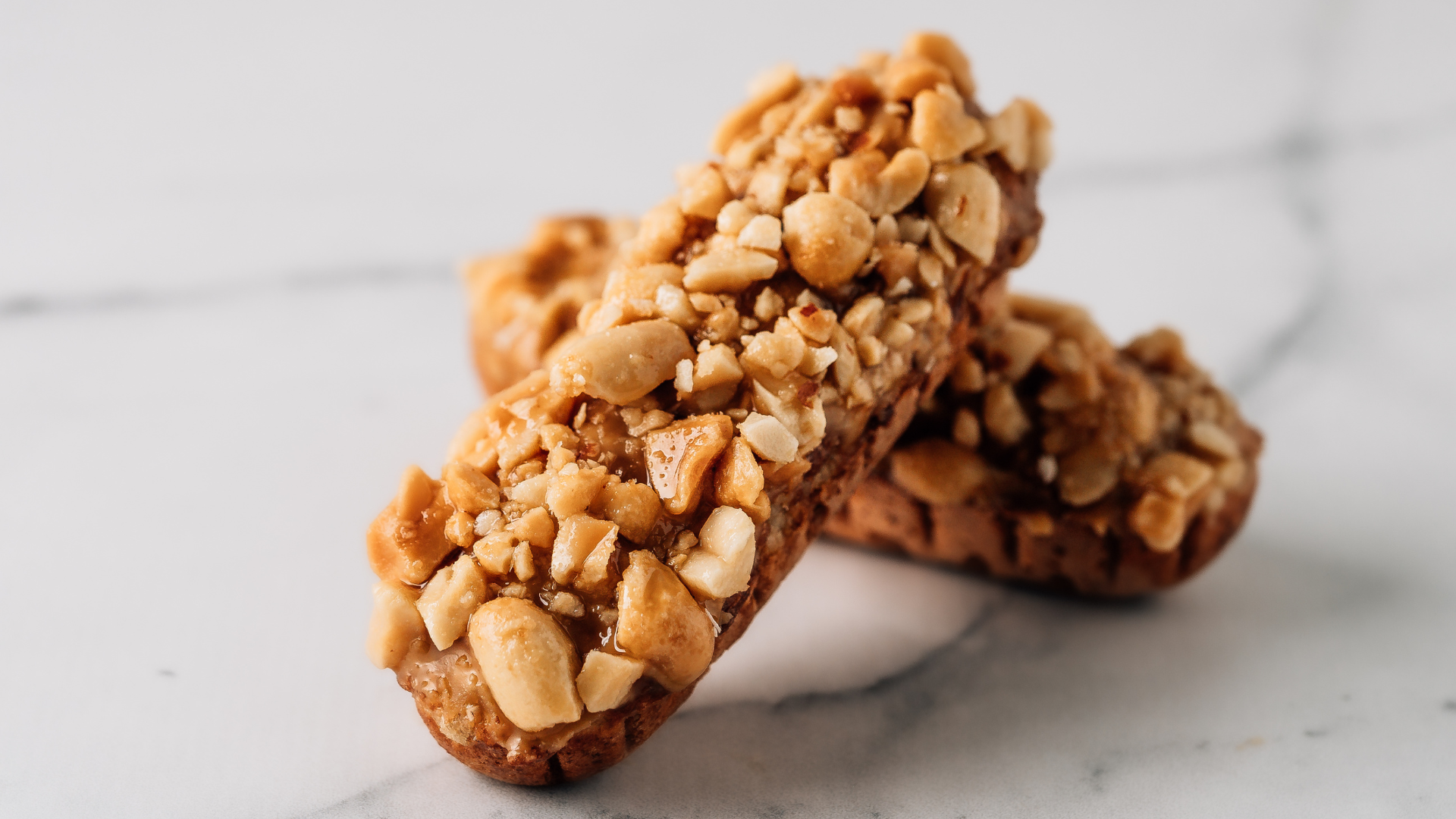
Yes, some protein bars may contribute to acne, but it depends on the ingredients rather than the fact that they’re protein bars. The biggest concern is the type of protein used. Bars made with whey protein are the most likely to trigger breakouts in acne-prone individuals, while soy protein may also be problematic for some people. Other acne-triggering ingredients worth checking for include added vitamin B12, peanuts, and iodine-rich ingredients such as spirulina, kelp, and other seaweeds. At Natural Acne Clinic, we encourage clients to look beyond the front of the package and learn how to read ingredient labels, since there are many acne-safe protein bars available that use alternative protein sources.
Key Takeaways
Protein bars do not inherently cause acne; the ingredients determine whether they’re likely to be a trigger.
Whey protein is the ingredient most consistently associated with acne.
Soy protein, added vitamin B12, peanuts, and certain ocean-derived ingredients may also be worth evaluating.
Many acne-safe protein bars use proteins like pea, hemp, pumpkin seed, egg white, quinoa, or chia instead of whey.
Diet is only one potential acne trigger, so changing protein bars alone may not completely clear your skin.
What the Research Says
Current research does not suggest that protein bars themselves cause acne. Instead, studies point toward specific ingredients that may influence acne development.
The strongest evidence involves whey protein. Multiple studies, including case reports and observational research, have found an association between whey protein supplementation and new or worsening acne, particularly in adolescents and young adults.¹² Researchers believe whey may increase levels of insulin and insulin-like growth factor-1 (IGF-1), which can stimulate oil production and increase the formation of acne lesions.¹²
Research on soy protein is less conclusive. While soy contains compounds that can influence hormones, current evidence does not clearly show that soy protein causes acne in most people.³
Beyond the protein source, some fortified protein bars contain added vitamins and minerals, including high doses of vitamin B12. Although uncommon, several studies have documented acne flare-ups in susceptible individuals after high-dose vitamin B12 supplementation.⁴
Overall, the evidence suggests it’s the ingredients inside certain protein bars, rather than protein bars as a category, that deserve the most attention.
What We See in Practice
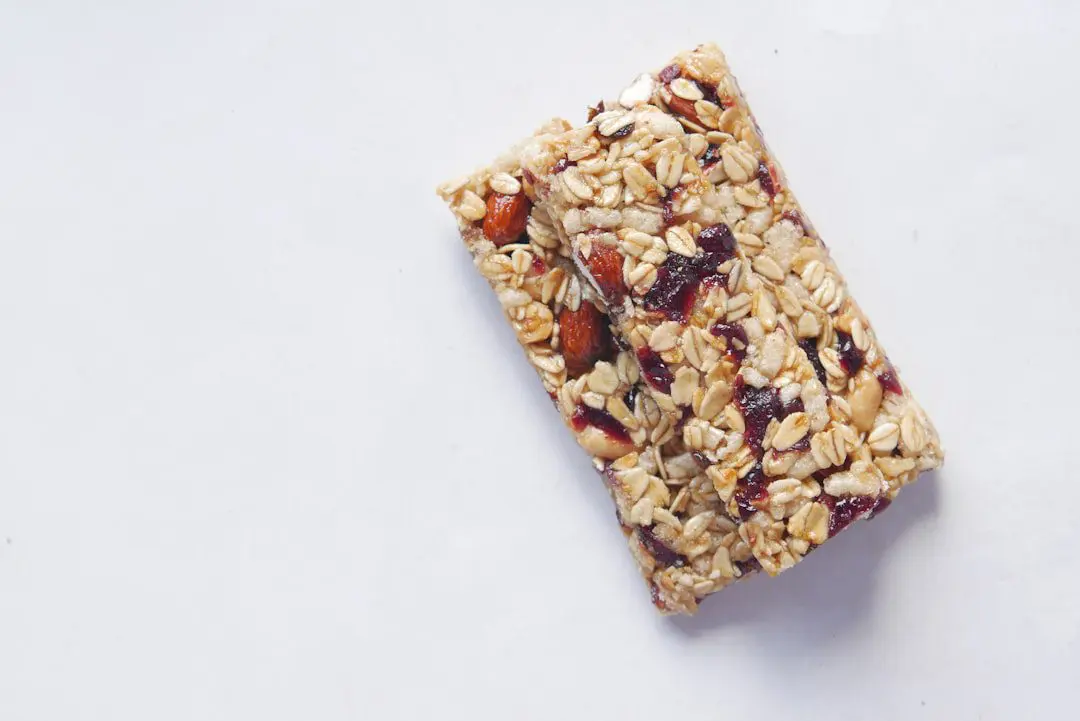
After helping thousands of acne clients over the past 12+ years, we’ve found that protein bars are one of the most commonly overlooked dietary triggers.
Protein has become one of the biggest trends in the food industry, and it’s now added to everything from breakfast cereals and yogurt to cookies, snack bars, and even pastries. Because of this, we encourage acne-prone clients to develop the habit of reading ingredient labels instead of relying on marketing claims.
The first ingredient we check is the protein source. If a bar contains whey protein, whey protein isolate, or whey protein concentrate, we often recommend trying an alternative for several weeks to see if breakouts improve.
After that, we look at the rest of the ingredient list. Does it contain added vitamin B12? Peanuts? Ocean-derived ingredients such as spirulina? These aren’t necessarily a problem for everyone, but they are ingredients we commonly evaluate when clients are struggling to identify potential triggers.
Fortunately, there are plenty of acne-safe options available. Many bars use proteins such as pea protein, hemp protein, pumpkin seed protein, egg white protein, chia, or quinoa instead of whey.
We also commonly notice that dietary triggers tend to show up as increased breakouts on the cheeks, although acne is highly individual and face mapping alone should never be used to diagnose the cause of breakouts.
Perhaps most importantly, we rarely find that a single food explains someone’s acne. More often, it’s one piece of a much larger puzzle that may also involve hormones, pore-clogging skincare products, stress, genetics, medications, or other dietary factors.
Why This Happens
Not all proteins affect the body in the same way.
Whey protein appears to have the greatest potential to influence acne because it can stimulate insulin and IGF-1, hormones involved in skin cell growth and oil production. Higher activity of these pathways may increase clogged pores and inflammation in people who are already genetically prone to acne.¹²
Other ingredients may contribute through different mechanisms. For example, high-dose vitamin B12 has been shown to alter the activity of certain skin bacteria in ways that may promote inflammation in susceptible individuals.⁴
It’s also important to remember that acne is a genetic condition with multiple triggers. Even if a protein bar contributes to breakouts, it’s rarely acting alone.
Common Misconceptions
Myth: All protein bars cause acne.
Reality: Many protein bars are unlikely to cause problems. The ingredients matter much more than the product category.
Myth: Protein is bad for acne.
Reality: Protein is an essential nutrient and plays an important role in overall health. The concern is specific protein sources, particularly whey, not protein itself.
Myth: Switching protein bars will completely clear acne.
Reality: Acne is usually influenced by multiple factors. Changing one dietary trigger may help, but other contributors often need to be addressed as well.
Myth: If a product is marketed as healthy, it’s automatically acne-safe.
Reality: Many “healthy” products contain whey protein or other ingredients that may trigger breakouts in acne-prone individuals.
What We Recommend
If you recently started eating a new protein bar and noticed your acne getting worse within the following weeks, it’s worth reviewing the ingredient list.
We generally recommend:
Choosing bars made with pea, hemp, pumpkin seed, egg white, chia, or quinoa protein instead of whey.
Looking for added ingredients such as vitamin B12, peanuts, or spirulina if you’re trying to identify potential dietary triggers.
Giving your skin enough time to respond. Because acne develops over approximately a 90-day cycle, improvements aren’t usually immediate after changing your diet.
Remembering that food is only one piece of the puzzle. If breakouts continue despite changing protein sources, consider evaluating skincare products, hormones, medications, stress, and other common acne triggers as well.
Learning how to read ingredient labels can make grocery shopping much easier over time. As protein continues appearing in more everyday foods, this simple habit can help you avoid accidental exposure to ingredients that may worsen acne.
Related Questions
- Do Food Sensitivities and Allergies Cause Acne?
- Supplements That Can Cause Acne?
- Do Chocolate and Sugar Really Cause Acne?
- Acne Safe Recipes
- Nutrition & Wellness
- Egg White Veggie Protein Cups
If you’re struggling to figure out whether your diet is contributing to your acne, our specialists can help identify potential triggers and create a personalized treatment plan that looks at your skin, nutrition, hormones, lifestyle, and skincare routine together.
References
- Pontes TCB, Fernandes Filho GMC, Trindade AS, Sobral Filho JF. Incidence of Acne Vulgaris in Young Adult Users of Protein-Calorie Supplements in the City of João Pessoa-PB. An Bras Dermatol. 2013.
- Silverberg NB. Whey Protein Precipitating Acne in Teenagers. Cutis. 2012.
- Burris J, Rietkerk W, Woolf K. Relationships of Self-Reported Dietary Factors and Perceived Acne Severity in a Cohort of New York Young Adults. Journal of the Academy of Nutrition and Dietetics. 2014.
- Kang D, Shi B, Erfe MC, et al. Vitamin B12 Modulates the Transcriptome of the Skin Microbiota in Acne Pathogenesis. Science Translational Medicine. 2015.